Our missions
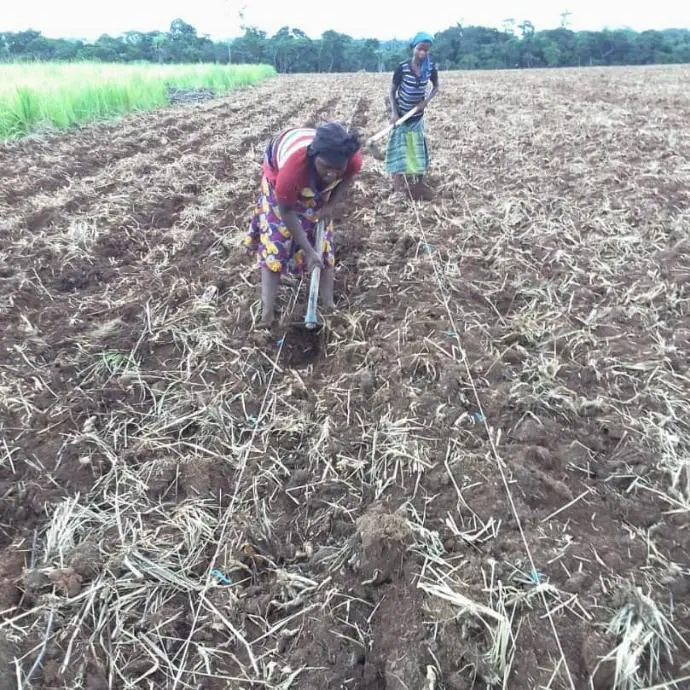
Agricultural activities
Agricultural activities in rural areas play a vital role in the economy and daily lives of communities. They encompass a variety of practices, ranging from the cultivation of cereals and vegetables to livestock farming. These activities are not limited to food production but also contribute to landscape preservation, biodiversity, and the sustainability of natural resources.
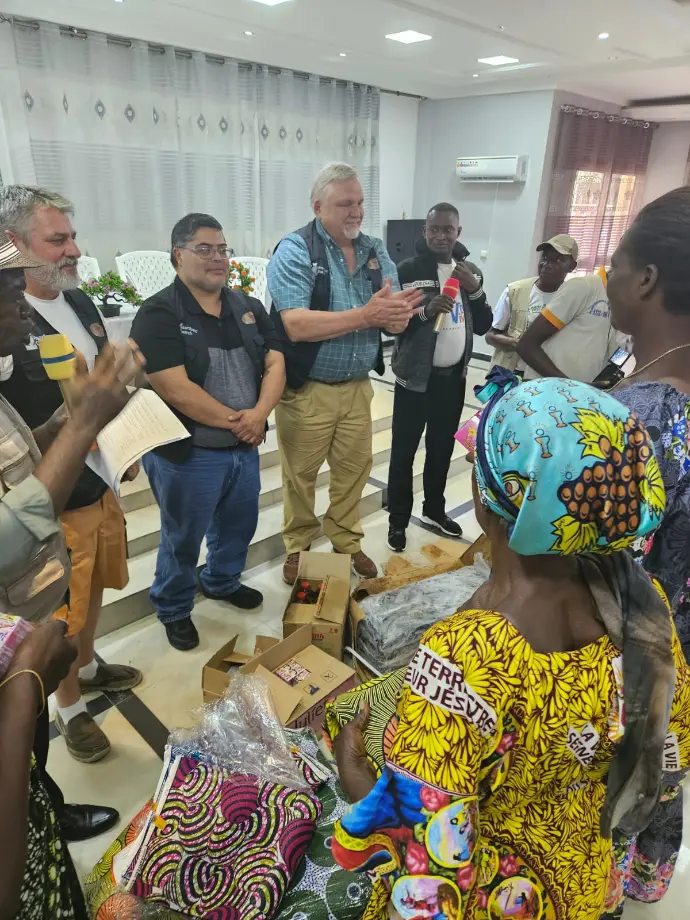
Improvement of living conditions
Agriculture plays a fundamental role in improving living conditions in rural areas. First and foremost, it is a vital source of income for many families, enabling them to meet their basic needs such as food, education, and healthcare. By diversifying crops and adopting sustainable farming practices, farmers can not only increase their production but also strengthen their resilience.

Sustainable employment
Agriculture in rural areas plays a crucial role in the economy and society. It is not only a source of food, but also a driver of economic and social development. However, to ensure the sustainability of this sector, it is essential to promote sustainable jobs that respect the environment, support local communities, and foster the well-being of farmers.
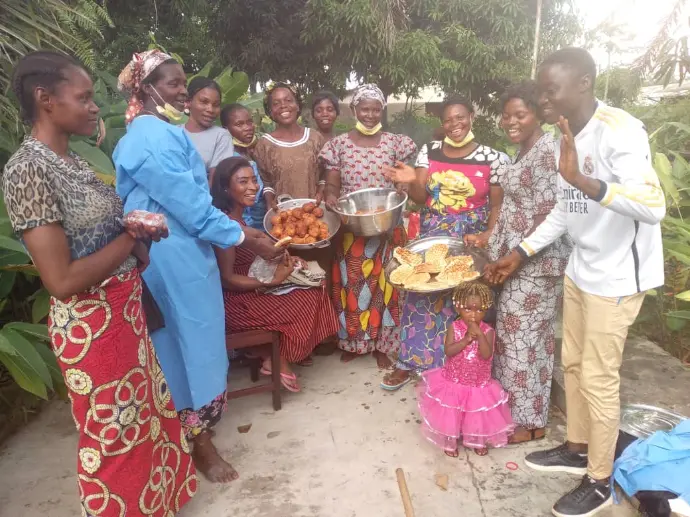
Food security
Food security in rural areas is a crucial issue affecting many communities around the world. In these areas, access to sufficient, nutritious, and quality food is often compromised by various factors, such as climatic conditions, geographical isolation, and limited infrastructure.
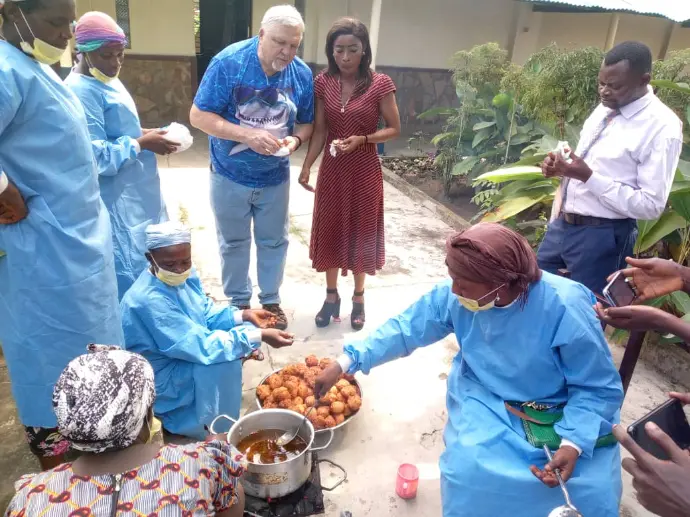
Nutrition
Nutrition in rural areas presents several challenges that can affect the health and well-being of populations. Here are some of the main challenges.
To meet these challenges, it is essential to implement nutritional education programs, improve access to markets, support local farmers, and strengthen health infrastructure.

Protection of widows and orphans
Agriculture represents a significant opportunity for widows and orphans in rural areas. By providing them with the necessary tools, resources, and support, it is possible to transform their situation and offer them a better future. It is essential that governments, NGOs, and communities collaborate to implement initiatives that promote the self-reliance of these vulnerable groups, enabling them to actively contribute to their communities while improving their quality of life.

Education
Agriculture and education in rural areas are interconnected and must be addressed in an integrated manner to foster sustainable development. By investing in education and supporting farmers, rural communities can improve their resilience, prosperity, and quality of life. Appropriate public policies and local initiatives can help create an environment conducive to this synergy.